
COURSE OVERVIEW
ME1019 : PSV Overhauling Inspection and Testing
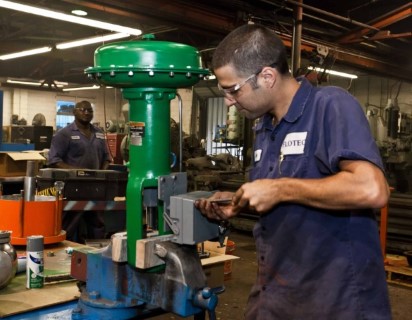
OVERVIEW
| COURSE TITLE | : | ME1019 : PSV Overhauling Inspection and Testing |
| COURSE DATE | : | Apr 26 - Apr 30 2026 |
| DURATION | : | 5 Days |
| INSTRUCTOR | : | Mr. Den Bazley |
| VENUE | : | Doha, Qatar |
| COURSE FEE | : | $ 6000 |
Course Description
A safety or pressure relief valve can be considered the most important single safety device on a boiler or pressure vessel. If it fails to function in the manner for which it was intended and an overpressure condition develops, the result could be catastrophic.
This course is designed to provide participant with a detailed and up-to-date overview of PSV overhauling, inspection and testing. It covers the pressure relief valve principles including the application of PRVS and pilot operated PRVS; the development of valve designs; the materials for pressure relief valves, valve spring design and fabrication; the various types of safety valve designs; and the PSV operational malfunctions and testing facilities and other typical causes of valve malfunctions.
Further, the course will also discuss the PSV repair and non-destructive examination; the PSV overhauling and inspection; the pressure relief valves disassembly, cleaning procedure, inspection, testing and sealing; and the PRV repair flow chart, inspector’s role, measurement and test equipment.
During this interactive course, participants will learn the two critical elements of PRV operation; the purpose of lapping, balance of lapping, ring laps and lapping materials; the lap selection, nozzle seat width, PRV lapping procedure, PRV bearing points and assembly operation; the valve testing and sealing in accordance with the API 527 & ASME standards; and the inspection and testing of pressure-relieving devices as per API 576 standard; valve calibration; and the various types of instruments requiring calibration.
TRAINING METHODOLOGY
This interactive training course includes the following training methodologies:
LecturesPractical Workshops & Work Presentations
Hands-on Practical Exercises & Case Studies
Simulators (Hardware & Software) & Videos
In an unlikely event, the course instructor may modify the above training methodology for technical reasons.
VIRTUAL TRAINING (IF APPLICABLE)
If this course is delivered online as a Virtual Training, the following limitations will be applicable:
| Certificates | : | Only soft copy certificates will be issued |
| Training Materials | : | Only soft copy materials will be issued |
| Training Methodology | : | 80% theory, 20% practical |
| Training Program | : | 4 hours per day, from 09:30 to 13:30 |
| Refrence | Date | Location | Instructor | Fee (USD) | Outline | Actions |
|---|---|---|---|---|---|---|
| ME1019 | Mar 29 - Apr 02 2026 (5 Days) | Istanbul, Turkey | Mr. Den Bazley | $ 6,000 | N/A | |
| ME1019 | Jun 22 - Jun 26 2026 (5 Days) | Abu Dhabi, UAE | Mr. Den Bazley | $ 5,500 | N/A | |
| ME1019 | Jul 19 - Jul 23 2026 (5 Days) | Doha, Qatar | Mr. Den Bazley | $ 6,000 | Outline | |
| ME1019 | Sep 06 - Sep 10 2026 (5 Days) | Al Khobar, KSA | Mr. Den Bazley | $ 5,500 | N/A | |
| ME1019 | Dec 27 - Dec 31 2026 (5 Days) | Dubai, UAE | Mr. Den Bazley | $ 5,500 | N/A | |
| ME1019 | Apr 18 - Apr 22 2027 (5 Days) | Doha, Qatar | Mr. Den Bazley | $ 6,000 | N/A | |
| ME1019 | Jul 11 - Jul 15 2027 (5 Days) | Doha, Qatar | Mr. Den Bazley | $ 6,000 | N/A |
RELATED COURSES

ME0288 : How to Prevent Failures in HVAC System – Proven & Tested Solutions
- Date: Sep 20 - Sep 24 / 3 Days
- Location: Al Khobar, KSA
- Course Details Register
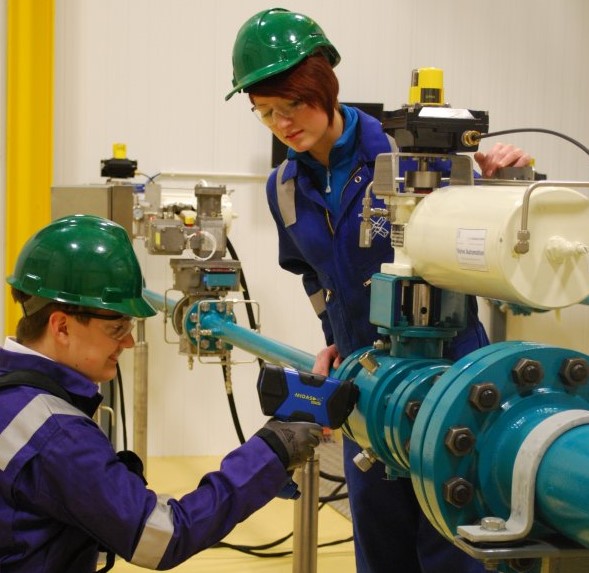
ME0100 : Valve Technology: Selection, Installation, Upgrading, Inspection, Maintenance, Repair & Troubleshooting
- Date: Sep 20 - Sep 24 / 3 Days
- Location: Dubai, UAE
- Course Details Register

ME0840 : Roll Pass Design and Mill Operation
- Date: Sep 20 - Sep 24 / 3 Days
- Location: Al Khobar, KSA
- Course Details Register
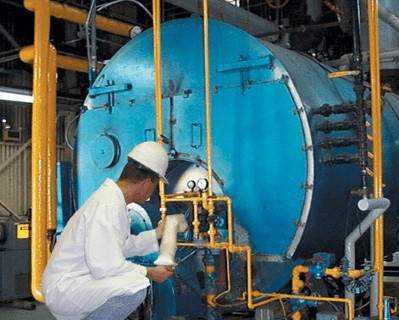
ME0020 : Certified Boiler Operation, Control, Maintenance & Troubleshooting
- Date: Sep 20 - Sep 24 / 3 Days
- Location: Cairo, Egypt
- Course Details Register