
COURSE OVERVIEW
ME1108 : Torque Tightening
OVERVIEW
| COURSE TITLE | : | ME1108 : Torque Tightening |
| COURSE DATE | : | Dec 06 - Dec 10 2026 |
| DURATION | : | 5 Days |
| INSTRUCTOR | : | Mr. Andrew Ladwig |
| VENUE | : | Doha, Qatar |
| COURSE FEE | : | $ 6750 |
Course Description
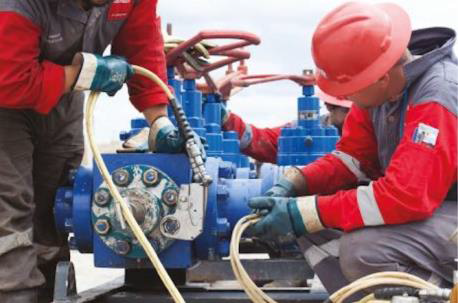
This course is designed to provide participants with a detailed and up-to-date overview of Bolt Torquing & Tensioning. It covers the purpose and function of bolted joints, advantages and limitations, common failure modes and key terminology; the types of fasteners and their applications, joint integrity principles, gasket technology and selection; the torque and load relationship, standards and guidelines, torque tools, and manual torque application; and the hydraulic torque tools, components of hydraulic systems, pump selection and setup, safety during hydraulic torquing and troubleshooting hydraulic issues.
Further, the course will also discuss the torque procedure development, error prevention and troubleshooting, bolt tensioning and hydraulic tensioning systems; and the tensioning procedures and planning, advanced tensioning methods, tensioner safety and troubleshooting and controlled bolting assembly procedures.
During this interactive course, participants will learn the flange management and joint control, joint integrity testing and maintenance of bolted joints; the advanced bolting challenges on large diameter bolts, high-temperature joints, cryogenic sealing and subsea bolt tensioning; the bolt length and grip considerations, joint stiffness and relaxation, fatigue and vibration impacts and expansion/contraction handling; the load-sensing bolts, digital torque and tension monitors, IoT integration in bolted joints and real-time condition tracking; the industry applications and standards, oil and gas pipelines, pressure vessels and heat exchangers; and the wind turbines and energy sector and offshore platforms.
TRAINING METHODOLOGY
This interactive training course includes the following training methodologies:
LecturesPractical Workshops & Work Presentations
Hands-on Practical Exercises & Case Studies
Simulators (Hardware & Software) & Videos
In an unlikely event, the course instructor may modify the above training methodology for technical reasons.
VIRTUAL TRAINING (IF APPLICABLE)
If this course is delivered online as a Virtual Training, the following limitations will be applicable:
| Certificates | : | Only soft copy certificates will be issued |
| Training Materials | : | Only soft copy materials will be issued |
| Training Methodology | : | 80% theory, 20% practical |
| Training Program | : | 4 hours per day, from 09:30 to 13:30 |
| Refrence | Date | Location | Instructor | Fee (USD) | Outline | Actions |
|---|---|---|---|---|---|---|
| ME1108 | Mar 29 - Apr 02 2026 (5 Days) | Doha, Qatar | Mr. Andrew Ladwig | $ 6,750 | Outline | |
| ME1108 | Apr 05 - Apr 09 2026 (5 Days) | Doha, Qatar | Mr. Andrew Ladwig | $ 6,750 | N/A | |
| ME1108 | Apr 12 - Apr 16 2026 (5 Days) | Doha, Qatar | Mr. Andrew Ladwig | $ 6,750 | Outline | |
| ME1108 | Jun 07 - Jun 11 2026 (5 Days) | Doha, Qatar | Mr. Andrew Ladwig | $ 6,750 | Outline | |
| ME1108 | Jul 12 - Jul 16 2026 (5 Days) | Dubai, UAE | Mr. Andrew Ladwig | $ 5,500 | N/A | |
| ME1108 | Sep 13 - Sep 17 2026 (5 Days) | Doha, Qatar | Mr. Andrew Ladwig | $ 6,750 | Outline | |
| ME1108 | Sep 13 - Sep 17 2026 (5 Days) | Doha, Qatar | Mr. Andrew Ladwig | $ 6,000 | N/A | |
| ME1108 | Oct 18 - Oct 22 2026 (5 Days) | Doha, Qatar | Mr. Andrew Ladwig | $ 6,000 | N/A | |
| ME1108 | Nov 15 - Nov 19 2026 (5 Days) | Dubai, UAE | Mr. Andrew Ladwig | $ 5,500 | N/A | |
| ME1108 | Jan 17 - Jan 21 2027 (5 Days) | Dubai, UAE | Mr. Andrew Ladwig | $ 5,500 | N/A | |
| ME1108 | Mar 14 - Mar 18 2027 (5 Days) | Doha, Qatar | Mr. Andrew Ladwig | $ 6,000 | N/A |
RELATED COURSES
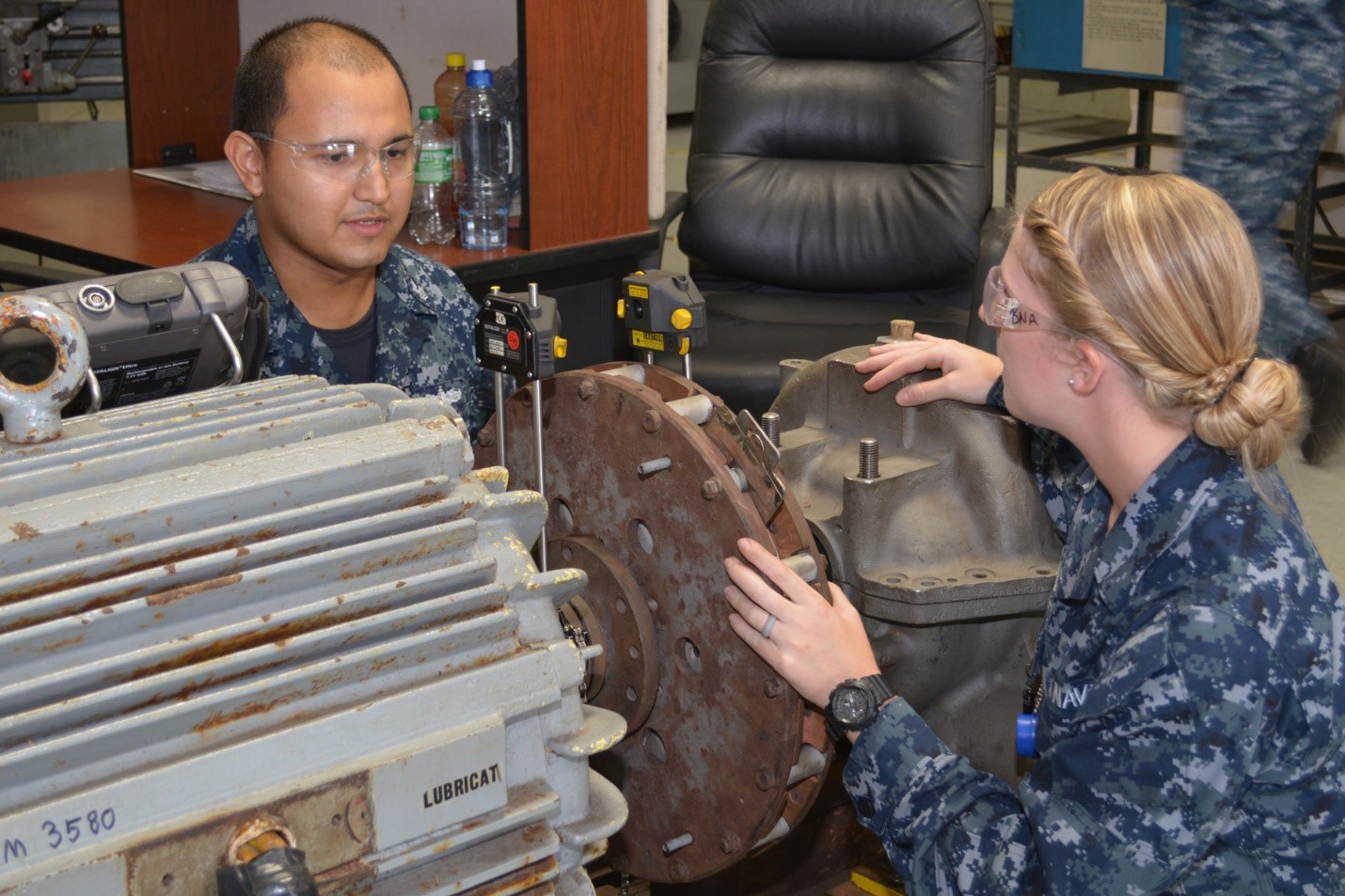
ME0375 : Pump Selection, Installation, Operation, Performance, Control, Maintenance & Troubleshooting
- Date: Oct 25 - Oct 29 / 3 Days
- Location: Doha, Qatar
- Course Details Register
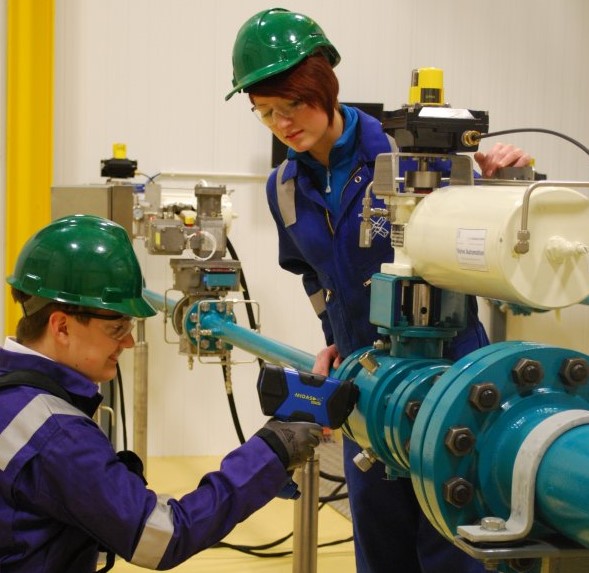
ME0100 : Valve Technology: Selection, Installation, Upgrading, Inspection, Maintenance, Repair & Troubleshooting
- Date: Oct 25 - Oct 29 / 3 Days
- Location: Doha, Qatar
- Course Details Register

ME0045 : ASME VIII Pressure Vessel Design, Fabrication & Testing (Division 1)
- Date: Oct 25 - Oct 29 / 3 Days
- Location: Al Khobar, KSA
- Course Details Register
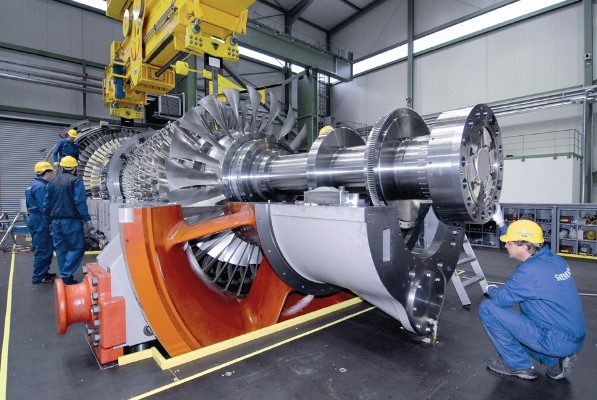
ME0140 : Mechanical Seal & Packing Selection, Installation, Maintenance & Troubleshooting
- Date: Oct 25 - Oct 29 / 3 Days
- Location: Doha, Qatar
- Course Details Register