
COURSE OVERVIEW
ME0897 : API 670: Machinery Protection Systems
OVERVIEW
| COURSE TITLE | : | ME0897 : API 670: Machinery Protection Systems |
| COURSE DATE | : | May 04 - May 08 2025 |
| DURATION | : | 5 Days |
| INSTRUCTOR | : | Mr. Karl Thanasis |
| VENUE | : | Dubai, UAE |
| COURSE FEE | : | $ 5500 |
| Request For Course Outline | ||
Course Description
This practical and highly-interactive course includes various practical sessions and exercises. Theory learnt will be applied using our state-of-the-art simulators.
This course is designed to provide participants with a detailed and up-to-date overview of API 670: Machinery Protection Systems. It covers the purpose and scope of API 670 and the key components and systems in machinery protection; the basic principles of vibration monitoring, types of vibration sensors, signal processing for vibration analysis and common causes of excessive vibration; the importance of temperature monitoring and types of temperature sensors used in protection systems; and the pressure and flow monitoring, displacement and proximity sensing including machinery protection system (MPS) architecture.
Further, the course will also discuss the detailed vibration analysis techniques and transient vibration analysis; integrating vibration data with other monitoring systems; the signal conditioning and data processing for vibration systems using filtering and noise reduction techniques; the signal amplification and conversion methods including data storage and retrieval in vibration monitoring systems; the common machinery types, configurations machinery and challenges in turbomachinery monitoring; the role of hydraulic and pneumatic controls in machinery; monitoring hydraulic oil condition and flowing; troubleshooting pneumatic systems in machinery; the trip systems and design considerations for API 670 compliant systems; and the root cause analysis (RCA) in machinery protection.
During this interactive course, participants will learn the condition-based monitoring (CBM), data analytics in machinery protection and remote monitoring and real-time data management; the failure mode and effects analysis (FMEA) for machinery protection; combining API 670 with other standards; the risk-based maintenance strategies and developing risk profiles for critical assets; setting risk-based maintenance priorities and reviewing RBI best practices in the petroleum sector; the key cybersecurity threats to protection systems and the best practices for securing API 670 systems; the role of firewalls, encryption, and access controls; monitoring system effectiveness and identifying gaps and improvement areas; preparing API 670 audits and developing checklist for compliance assessment; and the documentation and record-keeping requirements and corrective actions for non-compliance findings.
link to course overview PDF
TRAINING METHODOLOGY
This interactive training course includes the following training methodologies:
LecturesPractical Workshops & Work Presentations
Hands-on Practical Exercises & Case Studies
Simulators (Hardware & Software) & Videos
In an unlikely event, the course instructor may modify the above training methodology for technical reasons.
VIRTUAL TRAINING (IF APPLICABLE)
If this course is delivered online as a Virtual Training, the following limitations will be applicable:
| Certificates | : | Only soft copy certificates will be issued |
| Training Materials | : | Only soft copy materials will be issued |
| Training Methodology | : | 80% theory, 20% practical |
| Training Program | : | 4 hours per day, from 09:30 to 13:30 |
This course is no longer available.
Please check below for other scheduled dates.
RELATED COURSES
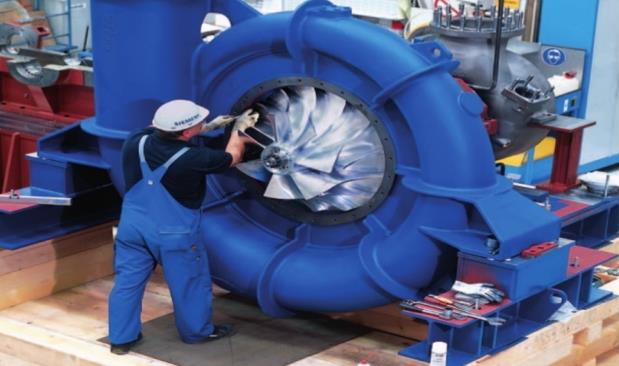
ME0447 : Rotating Equipment: Start-up, Operation, Maintenance and Troubleshooting
- Date: Oct 05 - Oct 09 / 3 Days
- Location: Johannesburg, South Africa
- Course Details Register
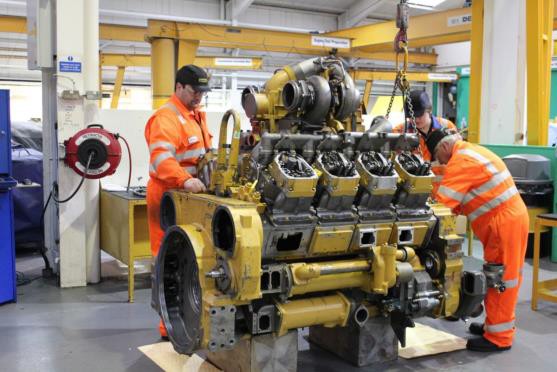
ME0590 : Diesel Engine Maintenance and Troubleshooting
- Date: Oct 05 - Oct 08 / 3 Days
- Location: Abu Dhabi, UAE
- Course Details Register
ME0007 : Vapor Recovery Unit System
- Date: Oct 05 - Oct 09 / 3 Days
- Location: Dubai, UAE
- Course Details Register
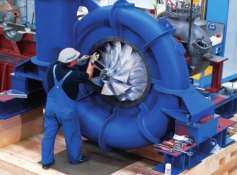
ME0447 : Rotating Equipment: Start-up, Operation, Maintenance and Troubleshooting
- Date: Oct 05 - Oct 09 / 3 Days
- Location: Johannesburg, South Africa
- Course Details Register