
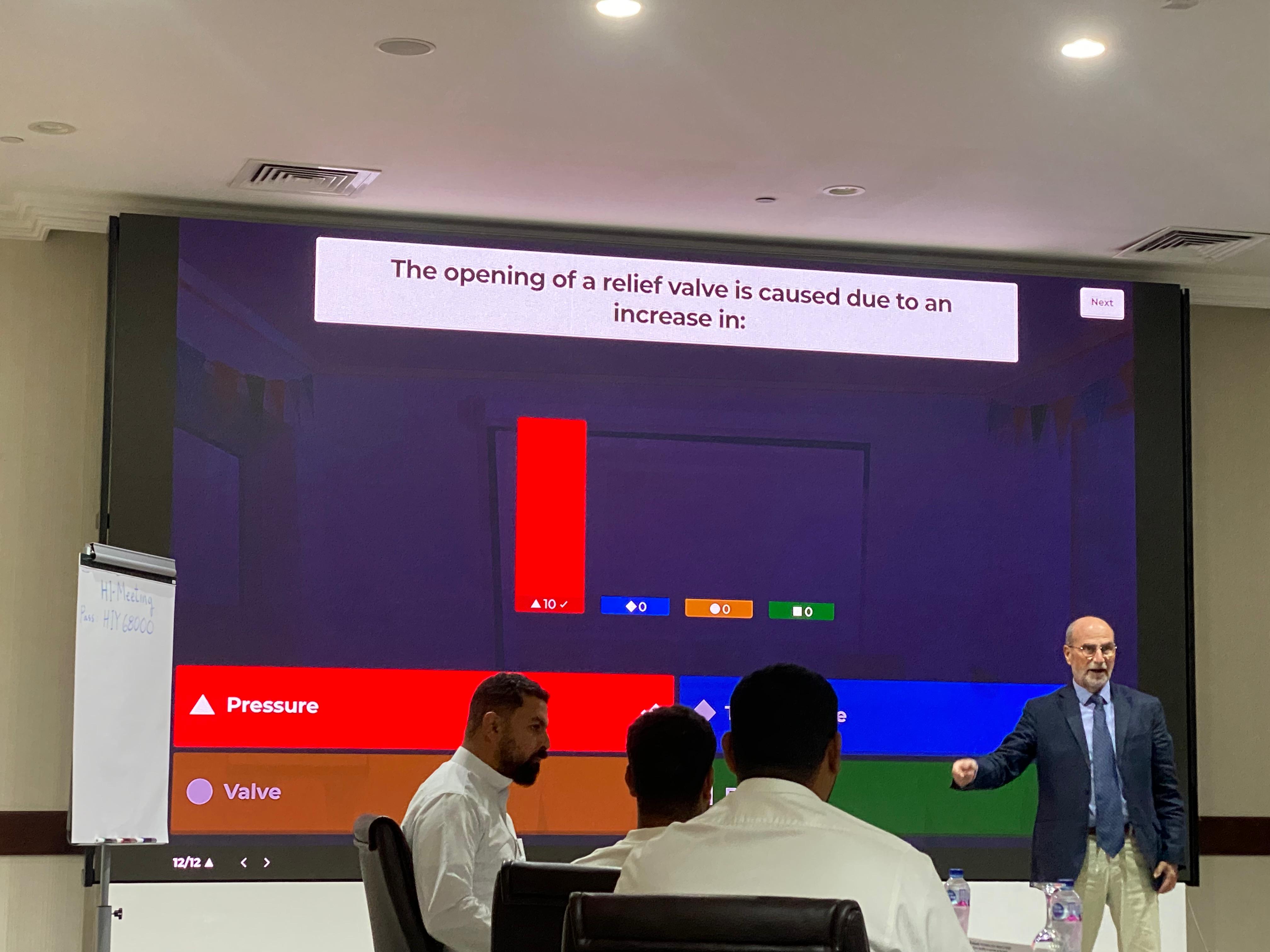
Engineering roles across the Middle East, especially in the UAE, have evolved far beyond technical execution alone. Engineers today are expected to communicate ideas clearly, justify decisions, and present complex information to diverse audiences. From senior management to clients and regulatory bodies, strong communication has become a career differentiator. This is where the importance of presentation skills becomes clear. Engineers who can present ideas with clarity and confidence often progress faster and gain wider professional recognition.
The Changing Expectations of Engineers in the Middle East
Large-scale infrastructure, energy, construction, and industrial projects dominate the Middle Eastern market. These projects involve multicultural teams, international investors, and strict compliance frameworks. Engineers are frequently asked to explain designs, defend calculations, and report progress in formal meetings. Technical knowledge alone is not enough. Engineers must also explain that knowledge in a structured and convincing way.
Strong presentation skills for engineers help bridge the gap between technical depth and business understanding. Engineers who communicate well are better positioned to earn trust and demonstrate leadership potential.
Why Communication Matters in Engineering Roles
Engineering decisions affect budgets, timelines, safety, and long-term performance. Presenting these decisions clearly helps stakeholders understand risks and benefits. Engineers with strong communication skills can reduce misunderstandings and prevent costly rework.
Building Confidence With Stakeholders
Clear presentations help engineers explain technical choices without overwhelming non-technical audiences. This clarity builds confidence among project managers, clients, and investors. Over time, engineers known for strong communication are often invited into higher-level discussions.
Supporting Career Progression
Engineers aiming for roles such as lead engineer, project manager, or technical consultant must present ideas regularly. Strong technical presentation skills support promotion by showing leadership, clarity of thought, and professionalism.
The Role of Project Presentation Skills in Daily Engineering Work
Project meetings are a routine part of engineering roles across the Middle East, especially within large infrastructure, energy, and construction projects. Engineers are often required to present design updates, safety assessments, progress reports, and performance data to diverse stakeholders. Strong project presentation skills help ensure that information is communicated accurately and understood clearly. Well-structured presentations allow engineers to explain complex systems using visuals, charts, and concise explanations. This approach supports faster decision-making, reduces misunderstandings, and helps meetings remain focused, productive, and aligned with project objectives.
Technical Knowledge Needs Clear Delivery
Technical expertise can lose its value if it is not communicated clearly to others. Engineers regularly work with complex data, detailed calculations, and advanced models that may not be easily understood by non-technical audiences. Clear presentations help convert this information into practical insights that support decision-making. Well-prepared presentations follow a logical flow by outlining the problem, explaining the method, sharing results, and suggesting next steps. This clarity helps audiences stay engaged and respond with relevant questions.
Presentation Skills and Multicultural Work Environments
Engineers with leadership ambitions are expected to communicate vision, strategy, and outcomes with confidence. Senior positions involve frequent presentations to executives, clients, and regulatory teams. Strong presentation ability signals readiness for greater responsibility and trust. Engineers who speak clearly and confidently are often selected to represent their teams during key meetings, reviews, and audits. This visibility strengthens professional credibility and helps position engineers as dependable leaders within complex project environments.
Training and Skill Development for Engineers
Presentation skills can be developed through practice and formal training. Engineers who invest time in communication training often see improved performance reviews and stronger professional relationships.
Mid-career engineers sometimes combine technical learning with communication development. For example, professionals enrolled in a renewable energy engineering course at Haward Technology Middle East often need to present feasibility studies and system designs. Presentation training supports better performance in such programs and in real projects.
Presentation Skills and Leadership Readiness
Engineers with leadership aspirations must communicate vision, strategy, and results. Senior roles require frequent presentations to executives and clients. Strong presentation skills signal readiness for responsibility.
Engineers who communicate confidently often become the face of their teams during reviews and audits. This visibility supports career growth and professional credibility.
Clear Presentations Reduce Risk
Poor communication in engineering can result in misunderstandings that affect safety, quality, and project costs. Clear presentations help ensure that all stakeholders share the same understanding of plans, risks, and technical requirements. When information is presented accurately and logically, potential issues can be identified early and addressed effectively. This clarity supports better coordination across teams and reduces the likelihood of costly errors. Strong communication protects both the engineer’s reputation and the organization’s operational stability.
Digital Tools and Modern Engineering Presentations
Engineering presentations today rely heavily on digital tools. Engineers are expected to create professional slide decks, visual models, and data summaries. Familiarity with presentation software and visual storytelling improves effectiveness.
Strong presentation skills for engineers include knowing how to simplify complex data without losing accuracy. This balance is especially important in high-value projects common in the Middle East.
Long-Term Career Benefits
Engineers who communicate well are often selected for international assignments, client-facing roles, and cross-functional teams. Strong communication increases professional visibility and opens doors to broader opportunities. As industries such as transport, energy, and infrastructure continue to grow, engineers with both technical and communication abilities will remain in high demand. Engineers pursuing advanced knowledge also benefit from clear communication when explaining system designs, project outcomes, and operational plans to diverse stakeholders.
Conclusion
Engineering excellence in the Middle East requires more than technical ability alone. Clear communication supports teamwork, leadership, and consistent career progress. Engineers who present ideas with clarity and confidence build trust and support better decision-making. This skill becomes even more valuable in competitive markets such as the UAE. Engineers strengthening their technical knowledge through programs like railway engineering courses also benefit from strong communication when explaining complex systems. Haward Technology Middle East supports such engineers with training that builds both technical expertise and professional confidence for long-term growth.